

← Back to all work
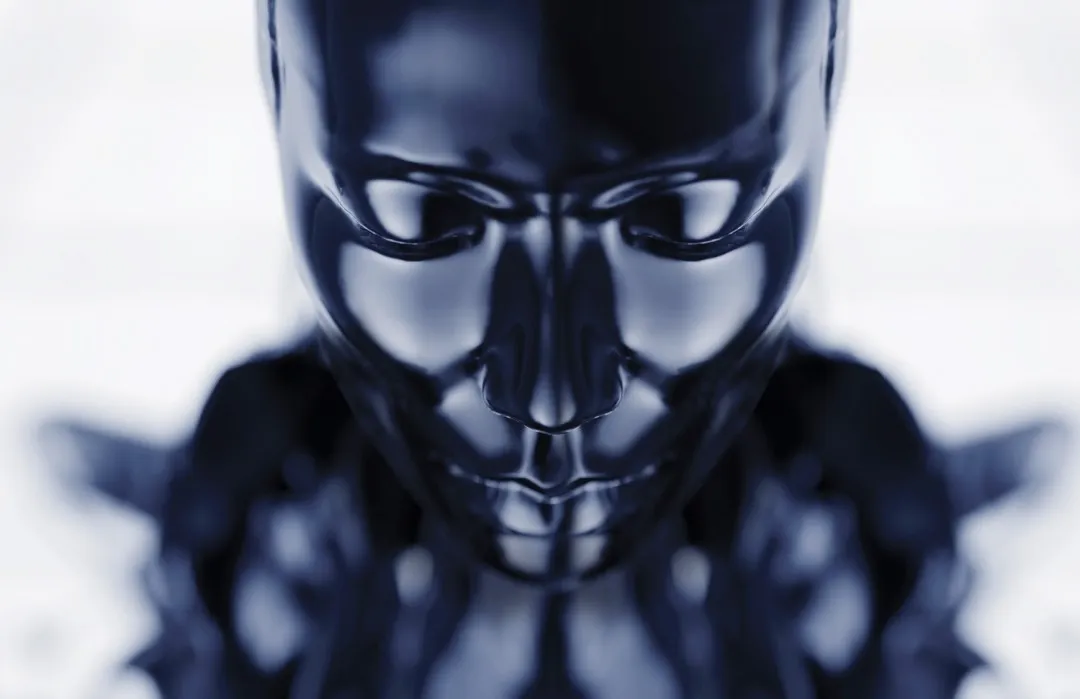
Tao Okamoto in “Hybrid Glamour,” a 3D fashion editorial for Models.com (2014)

SELECTED WORK / PRODUCTION

Hybrid Glamor for Models.com feat. Tao Okamoto

Studio
Models.com
Released
August 26, 2014
SCANable role
3D Scanning
Director
Tim Richardson
VFX vendor
Industrial Color
  • Body Scanning
  • CG
  • Editorial
  • Fashion
  • Photography
  • VFX

“Hybrid Glamour” is a creative 3D fashion editorial for Models.com starring Japanese model and actress Tao Okamoto (The Wolverine, Batman v Superman: Dawn of Justice). Photographed by Tim Richardson, the 2014 shoot combines high fashion with 3D renders as Okamoto wears dramatic pieces by Jean Paul Gaultier, Claudia Li, Melitta Baumeister, Silvio Giordano, Alex Ulichny, Shoise, and Madeline Gruen, selected by fashion editor Nicola Formichetti. Makeup for the spread is by Maki Ryoke, with hair by Brent Lawler, and a Richardson-directed video accompanies the editorial at models.com.

SCANable provided 3D body scanning of Tao Okamoto for the project, capturing the detailed digital geometry that was blended with Richardson’s photography to create the editorial’s striking hybrid imagery.

Rendered elements under photographic light

A fashion image is lit with intent. When part of the frame is photographed and part of it is rendered, the rendered part has to accept the same lighting decisions the photographer made — including decisions made after the shoot.

That is only possible if the captured texture separates what the skin is from what the light was doing to it. Cross-polarized photography suppresses specular reflection and yields a clean diffuse albedo; a matched unpolarized pass carries the specular information back. Split that way, a face can be relit convincingly instead of arriving with the capture lighting baked into it permanently.

Our photometric capture exists for that separation.

Couture is geometry, not a texture map

High fashion is structural. Sculptural collars, engineered pleating, panels that stand away from the body — none of that is describable as a bump map on a mannequin.

Garments like these have to be captured as geometry, in the shape they hold on a real body under real gravity, because that shape is the design. A scan taken with the piece worn records how the fabric actually sits: where it tensions, where it breaks, where it lifts away from the shoulder.

That is why wardrobe is worth capturing in the same session as the body scan rather than afterward from a stand.

Motion work is forgiving in a way editorial is not. A digital double in a feature is on screen for seconds, moving, motion-blurred, and cut around.

An editorial image sits still on a page and gets examined. Pore-level surface detail, eyelash edges, and the transition between photographed and rendered regions are all looked at directly.

That pushes the capture bar upward, and it pushes the finishing bar with it — retopology, UV layout, and render-ready build have to hold at print resolution. Our Mobile CyberSCAN™ Studios bring that capture to the shoot rather than the other way around, so it happens inside a single session.

The rest of our fashion and editorial work is in the portfolio, with the full service list alongside it.