← Back to all work
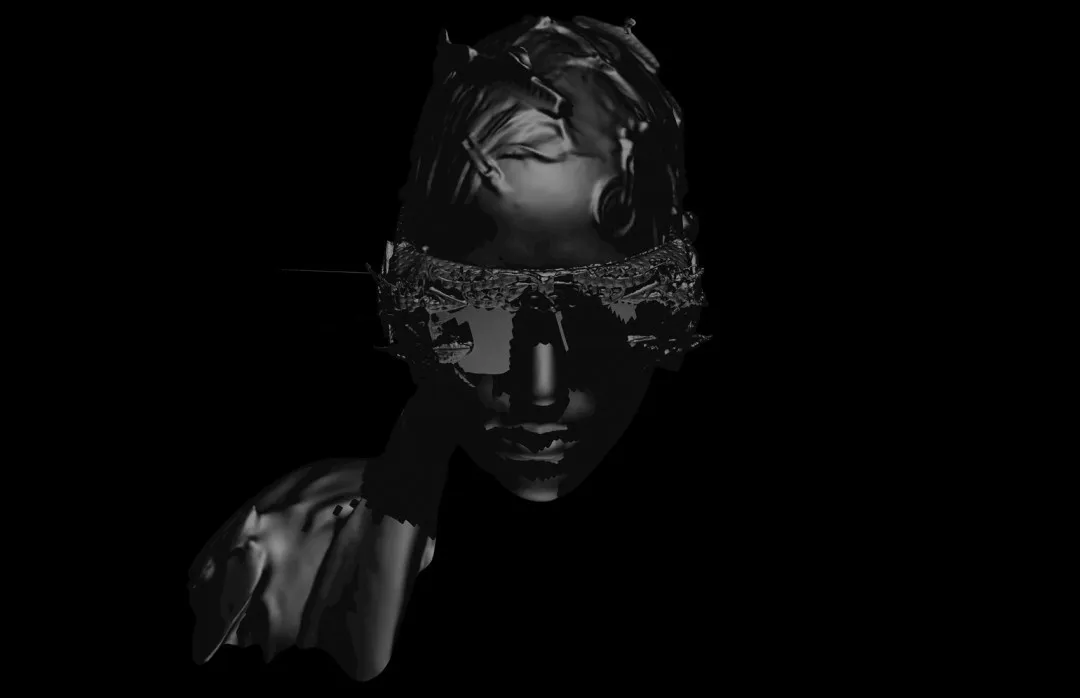
Sunday Times editorial image featuring rapper Brooke Candy (2014)

SELECTED WORK / PRODUCTION

Sunday Times Editorial feat. Brooke Candy

Studio
Sunday Times
Released
August 23, 2014
SCANable role
3D Scanning
Director
Nicola Formichetti
  • Body Scanning
  • Editorial
  • Fashion
  • Photography
  • VFX

This 2014 Sunday Times editorial featured rapper Brooke Candy in a fashion piece created exclusively for the publication. Directed by Nicola Formichetti, the feature blended photography with digitally driven imagery of the artist.

SCANable performed full 3D body scans of Brooke Candy, providing the digital assets used to create the exclusive feature. The scans gave the creative team a precise digital double of the rapper to work with, turning captured geometry into striking editorial visuals.


Stillness is not achievable, so it is designed out

Ask anyone to hold perfectly still and they will not. Breathing moves the ribcage and shoulders. Micro-sway moves everything else. Muscles fatigue within seconds.

Any capture method that sweeps across a subject, or takes several sequential passes, integrates that movement into the result. It shows up as soft geometry, doubled edges, and a face that is subtly not quite the face.

Simultaneous array capture removes the problem instead of correcting for it later. Every camera fires on the same trigger, so the subject is sampled from all angles in one instant and there is no motion to reconcile. That is the whole point of cyberscanning as a method.

When the subject is the story, likeness is the deliverable

A background asset can be approximately right. A portrait cannot.

An editorial built around one recognizable artist is judged entirely on whether the digital version reads as that person. Likeness lives in small things — the exact set of the jaw, the asymmetries nobody consciously notices, the proportions between features that a sculptor would unconsciously average toward the middle.

Measured capture preserves those. It does not idealize and it does not smooth toward a generic face. What comes back is that person’s actual geometry, which is the only starting point that survives being looked at closely.

Geometry as a material for art direction

Scan data is not only useful for photoreal reconstruction. Once a body exists as an accurate mesh, it becomes something a designer can work on — fragment it, displace it, duplicate it, section it, or push it a long way from realism while keeping a real anatomical foundation underneath.

Abstraction reads better when it starts from truth. A distorted scan of a real person still carries the weight and proportion of a real person; a distorted generic model reads as a generic model.

Delivering that usefully means clean topology and sensible UV layout, so the mesh can be deformed and retextured rather than only rendered as captured. Our Mobile CyberSCAN™ Studios put that capture wherever the shoot is happening.

More editorial and fashion projects is in the portfolio, and the full service list covers the rest.