← Back to all work
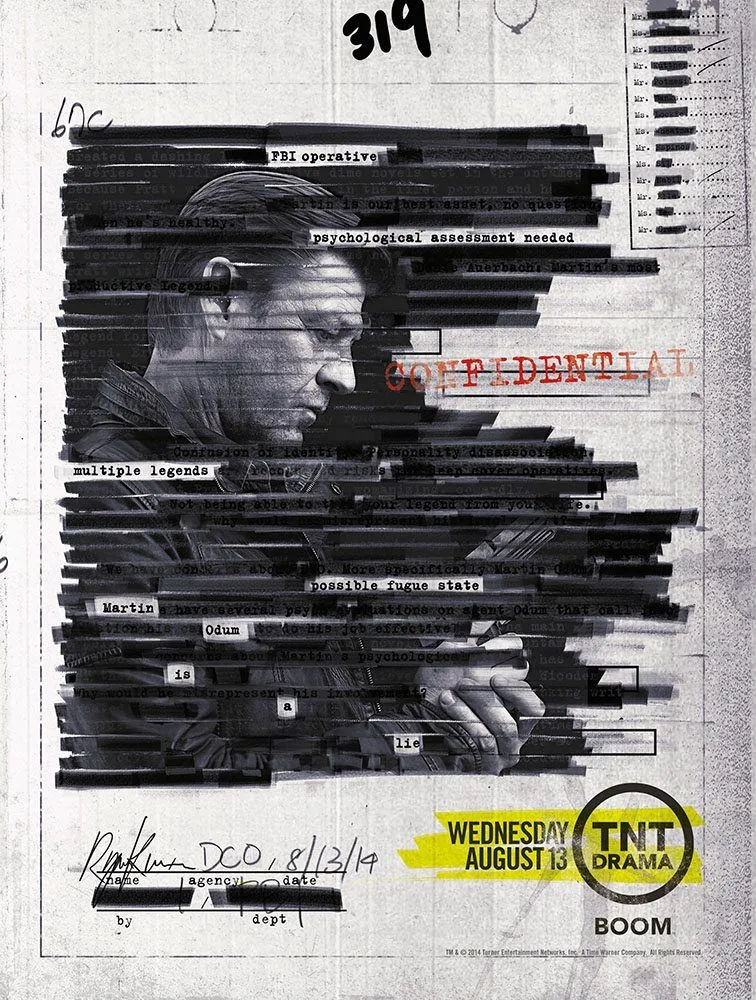
Key art for the TNT Legends ‘Darkroom’ promo (2014) featuring Sean Bean

SELECTED WORK / PRODUCTION

TNT Legends ‘Darkroom’ Promo featuring Sean Bean

Studio
TNT
Released
June 17, 2014
SCANable role
3D Scanning
VFX vendor
Elastic
  • Animation
  • Body Scanning
  • CG
  • Commercial/Advert
  • Photography
  • Television
  • VFX

TNT’s ‘Darkroom’ promo introduced the drama series Legends, starring Screen Actors Guild Award winner Sean Bean as an undercover agent. The evocative two-minute trailer, featuring never-before-seen footage of the Game of Thrones and Lord of the Rings actor, offered the deepest look yet at the intense drama about an agent plunged into a terrifying mystery over his own identity. Legends premiered August 13, 2014, exclusively on TNT.

SCANable performed a 3D structured light scan of Sean Bean’s head and face, which was used in portions of the promotional video for TNT.


Structured light and photogrammetry answer different questions

Structured light projects a known pattern onto a subject and measures how that pattern deforms across the surface. It produces very high geometric fidelity at close range, which is precisely what a head and face demand.

Photogrammetric capture derives geometry from overlapping imagery instead, and brings color and fine surface texture along with it.

Neither method is universally correct. The subject decides. A face at arm’s length is a structured-light problem; a full figure or a room is not. Choosing the right instrument for the scale of the subject is most of the craft in 3D scanning for film.

The parts of a head a scanner argues with

A face is mostly cooperative. The rest of a head is not.

Hair scatters light rather than reflecting it cleanly, so it rarely reconstructs as usable geometry and is normally groomed or rebuilt downstream. Eyes are wet and specular. Stubble sits below the effective resolution of the mesh. Dark matte clothing swallows the signal a scanner depends on.

Knowing in advance which parts of a capture will be trusted and which will be replaced is what separates a usable head scan from a merely successful one. That judgment gets applied during cleanup, retopology, and asset build, not at the moment of capture.

Promotional assets are built before the show exists

A launch campaign is often produced while the series is still shooting or still cutting. Marketing needs a digital version of the lead long before any episode is finished, and frequently before the show’s own VFX pipeline has settled its conventions.

That makes the scan a standalone deliverable rather than one link in a chain. It has to be self-describing, correctly scaled, and immediately usable by whichever creative shop wins the campaign. A well-built digital double survives that handoff without a conversation.

The portfolio holds further television VFX work; the full service list sets out what else we do.