← Back to all work
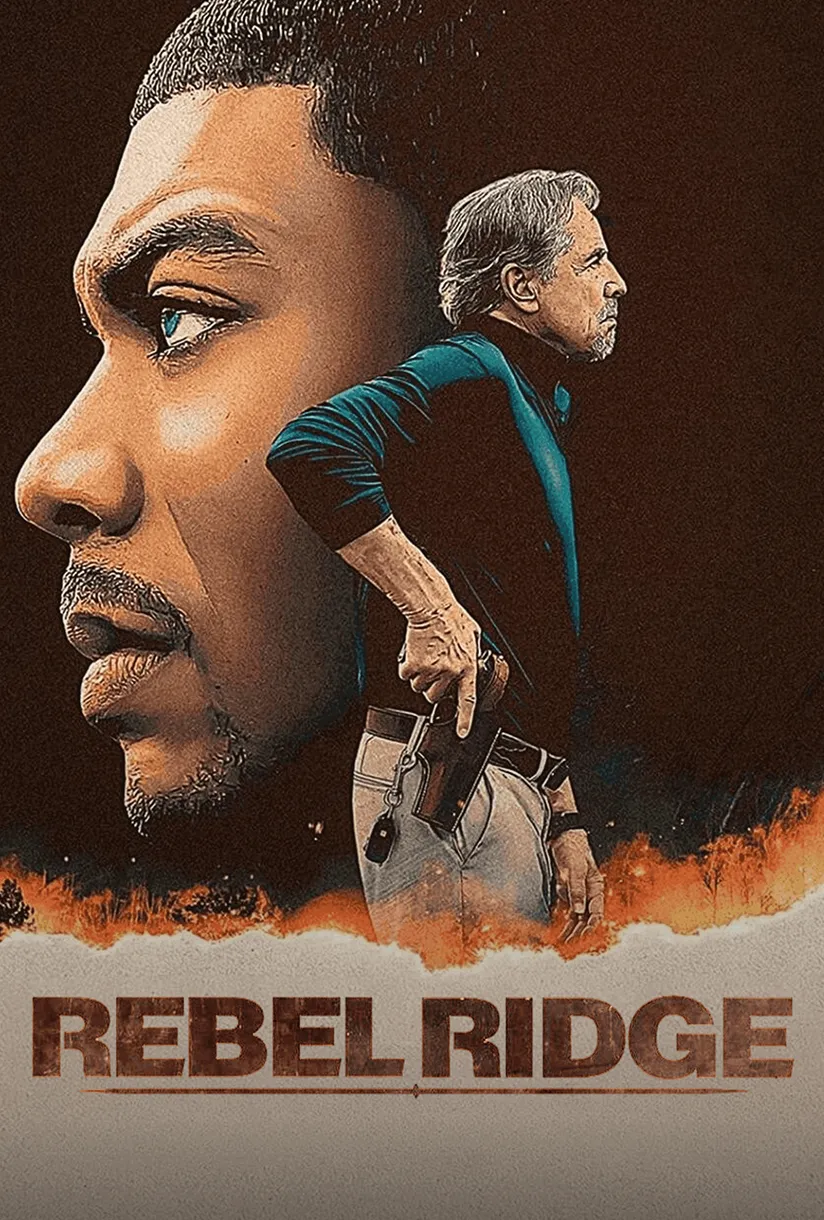
Official poster for Rebel Ridge (2024) — Netflix

SELECTED WORK / PRODUCTION

Rebel Ridge

Studio
Netflix
Released
September 5, 2024
SCANable role
3D Scanning
Director
Jeremy Saulnier
  • Backgrounds
  • Body Scanning
  • CG
  • Camera Tracking
  • Environments
  • Feature Film
  • Props
  • VFX

Rebel Ridge is a 2024 Netflix crime action thriller written and directed by Jeremy Saulnier, starring Aaron Pierre. Pierre plays Terry Richmond, a former Marine whose funds to post bail for his cousin are unjustly seized via civil forfeiture by a corrupt police force. Don Johnson, AnnaSophia Robb, David Denman, Emory Cohen, Steve Zissis, Zsané Jhé, Dana Lee, and James Cromwell also appear in the film, which Saulnier produced and edited as well.

SCANable provided LiDAR and 3D laser scans of several sets, which were used for camera tracking, along with 3D body scans of actors used for additional visual effects work.


The plate is not enough

Matchmove software recovers a camera from the image, but it does that far more reliably when it has the real geometry of the space to solve against.

Laser scanning supplies exactly that: a measured point cloud of the location, in scale, that the solve can be constrained to. Instead of inferring depth from parallax alone, the artist has true distances. Shots that would otherwise sit at the edge of solvable become ordinary. Our set and location scanning exists in large part to feed this end of the pipeline.

Grounded action hides its work

A thriller shot for realism cannot afford visible effects. Every digital element has to read as something that was in front of the lens.

That is a harder standard than spectacle, because nothing else in the frame distracts from a mistake. Removals, extensions and replacements all have to sit at the correct depth in the correct room, and they only do that when the room has been measured rather than estimated.

Interiors with no room to work

Real locations are not built for scanning. Doorways are narrow, corridors are short, furniture cannot always move, and the unit needs the space back.

Working in those conditions is a planning discipline: choosing positions that guarantee coverage without a second pass, keeping registration tight through cluttered sightlines, and knowing which surfaces the post schedule will actually need. Terrestrial LiDAR is well suited to it because a single position returns a great deal of geometry at once.

Coverage the performer should not be in

Physical action generates shots that are unsafe, impractical or simply impossible to stage with the lead.

A faithful digital double covers those beats, and only a capture that records the performer accurately produces one. Every camera in our Mobile CyberSCAN™ Studios arrays exposes at the same instant, which is why cyberscanning leaves no drift from breathing or micro-movement to clean up afterward.

There is more feature-film capture work to look through, alongside the full service list.