← Back to all work
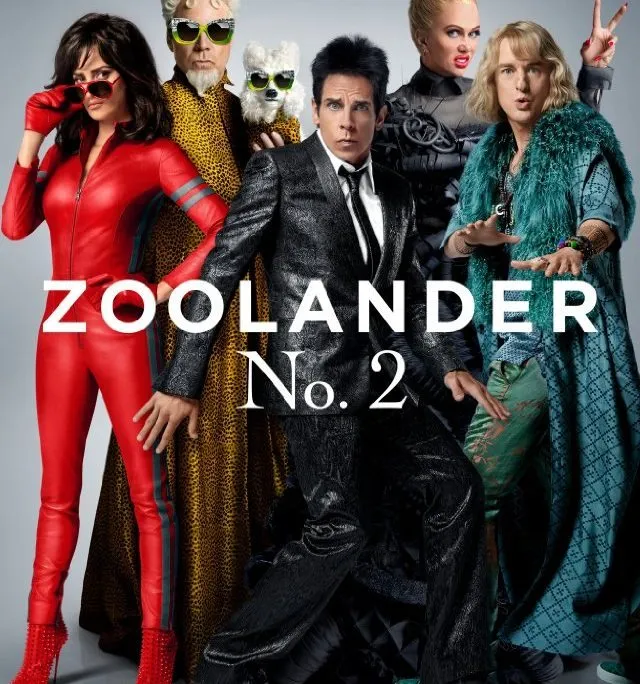
Official poster for Zoolander 2 (2016)

SELECTED WORK / PRODUCTION

Zoolander 2

Studio
Paramount Pictures
Released
February 11, 2016
SCANable role
3D Scanning
Director
Ben Stiller
  • Beauty
  • Body Scanning
  • CG
  • Feature Film
  • VFX

Zoolander 2 is the 2016 sequel to the fashion-world comedy Zoolander, returning the beloved characters of the original to the big screen. The follow-up brought the franchise’s signature blend of high fashion and absurd humor to a new generation of audiences.

SCANable provided 3D scanning support for Zoolander 2, capturing high-resolution photogrammetry data for the production’s visual effects team. The studio’s cyber scanning workflow delivers the detailed body scan and character data that VFX artists rely on for CG and beauty work on feature films.


Beauty work runs on real geometry

Beauty and cleanup are usually described as image operations — a blemish removed, a line softened, a shape adjusted. In practice the difficult ones are three-dimensional.

Replacing part of a face across a moving shot, adjusting a silhouette, or extending a body beyond the frame all require knowing what the underlying form is. A measured head and body give that form directly, so the work becomes a controlled adjustment to an accurate model rather than an artist repainting the same area frame after frame and hoping it stays consistent.

Fashion lighting is unforgiving in a useful way

A film set in the fashion world is lit hard, close, and deliberately. Specular highlights are strong, falloff is sharp, and the surface of the skin is one of the subjects of the photography.

That is precisely the condition under which an inaccurate digital face fails. It is also the condition that makes accurate capture pay off, because measured surface detail responds to hard light the way real skin does. Recording the subject rather than approximating it is what allows a digital element to intercut with photography lit that way. Cyberscanning is the method behind that capture.

One library, several units

A production that shoots across multiple countries and multiple units cannot assemble its whole cast in one place on demand. Talent arrives, works, and leaves on schedules that were set before anyone knew what visual effects would need.

The practical answer is to capture people while they are present and build a consistent library from it. Every performer scanned to the same standard, at the same scale, in the same coordinate convention, means assets from different weeks and different locations combine without adjustment later. Our Mobile CyberSCAN™ Studios deploy to wherever the unit is working so that library actually gets built.

What survives after wrap

Cast members age, wardrobe is returned, and a film wraps. The measured record of what a person looked like during that shoot does not change.

That is why capture is treated as a permanent deliverable rather than a shot-level expense. Reshoots months later, additional versions, and any later work that needs the cast as they appeared all draw on the same data. Delivered as retopologised, render-ready assets, it stays usable long after the production that paid for it has closed. See digital doubles for what that pipeline produces.

Browse more feature film projects, or read about the services we provide.